
Conversely, if you find yourself more energized and productive in the morning, consider aligning your eating window accordingly. Everyone is unique, and some women may need to stick to no-calorie drinks. My main issue is that I hate black coffee, and I really wanted to drink coffee during my fasting window. Fortunately, I discovered I could add full-fat coconut milk and MTC oil to my coffee without impacting my ketones and glucose https://www.smartcustomer.com/reviews/unimeal.com levels (I confirmed this using a ketone monitor).
#2 Choose Foods That Keep You Full Throughout The Long Fast
This is where my fasting journey was already failing before it officially began. Planning your meals ahead of time can help you include more nutritious food items in your diet without having to settle with whatever you have in your fridge. It’s difficult to set an exact timeline for 20/4 intermittent fasting. In the current scientific literature, there is not yet a definitive answer. While these two diets share major similarities, they also have their differences. For instance, both these diets include a 20-hour fast followed by a 4-hour feast.
What are the Benefits of Fasting for 12 Hours?
We’ll talk about this more below, but it’s important that when you break your fast, you don’t just go on a binge and eat everything in sight. The hierarchy of how your body converts fuel to energy is that first you burn glucose, then you burn fat stores, then you burn muscle. This is why in some cases, you may have heard from a doctor, nutritionist or health coach that in order to lose weight, you actually need to eat more.
Most of the weight loss and resulting metabolic benefits happen with regular fasting over time, as it reduces your overall calorie intake. What matters is the reduction in calorie intake over a long period of time (i.e. months), rather than the duration in hours of an individual fast. If you are new to prolonged fasting, it’s recommended to slowly prolong your fasting periods until you are comfortable starting a 24-hour fast. This helps your body adapt to the metabolic changes triggered by calorie restriction and minimizes side effects of fasting, such as weakness, fatigue, and dizziness.
What to eat on an intermittent fasting 20:4 meal plan
- Her eating window consisted of four hours, typically between 12 pm and 4 pm.
- The main downside of IF is that many people chronically undereat when they do it for long periods of time.
- Instead of eating whatever you want after the 20-hour fast, be smart about your choices.
- For those who are new to fasting, it may be advisable to start slowly, gradually increasing the fasting duration while observing how the body responds.
- Some studies have found that fasting can help decrease levels of inflammation and promote better health.
- As you get deeper into a fast, your body is likely to use more fat to produce energy (in the form of ketones).
Yes, the 20/4 intermittent fasting method can be effective for losing weight. This method involves fasting for 20 hours and having an eating window of 4 hours each day. By limiting the time window for eating, it can help to reduce overall calorie intake and promote weight loss. Additionally, intermittent fasting has been found to have other health benefits such as improved insulin sensitivity and increased fat burning. However, it is important to consult with a healthcare professional before starting any new diet or fasting regimen to ensure it is suitable for your individual needs and health status.
Selecting the Right Eating Window for 20:4 Fasting
Despite these promising findings, additional studies are needed to look at how fasting may influence cancer development and treatment. It may also not be suitable for certain groups, such as women with hormone imbalances or individuals with a history of disordered eating. Additionally, connecting with a supportive community or finding an accountability partner can provide you with the encouragement and motivation needed to stick to your fasting routine. Sharing experiences, tips, and challenges can make the journey more enjoyable and provide valuable insights. If you need more help or information on how to do your fasting properly, you can check out our intermittent fasting guide.
4 Hour Fasting Schedule
In addition, certain blood pressure medications and drugs to treat heart disease can increase the risk of sodium and potassium deficiencies during extended periods of fasting. During a 24-hour fast, the general rule is to avoid calorie intake for 24 hours, which involves abstaining from all foods and only drinking water, unsweetened herbal teas, or black coffee. Fasting forces your liver to utilize stored body fat as a fuel source, thereby reducing fat mass and promoting weight loss. While weight loss depends on many factors, most people tend to lose between two to three pounds during a 24-hour fast. A 24-hour fast is a popular form of intermittent fasting that offers impressive health benefits.
What is Intermittent Fasting 20/4?
In fact, research shows us that intermittent fasting can be as effective for weight loss9 as traditional diets that require you to limit your daily calorie intake. A registered dietitian provides personalized guidance for your specific nutritional needs. These professionals adjust caloric recommendations and design meal plans that maintain your deficit within the eating window.
Are long-term fasts or water fasts good for you?
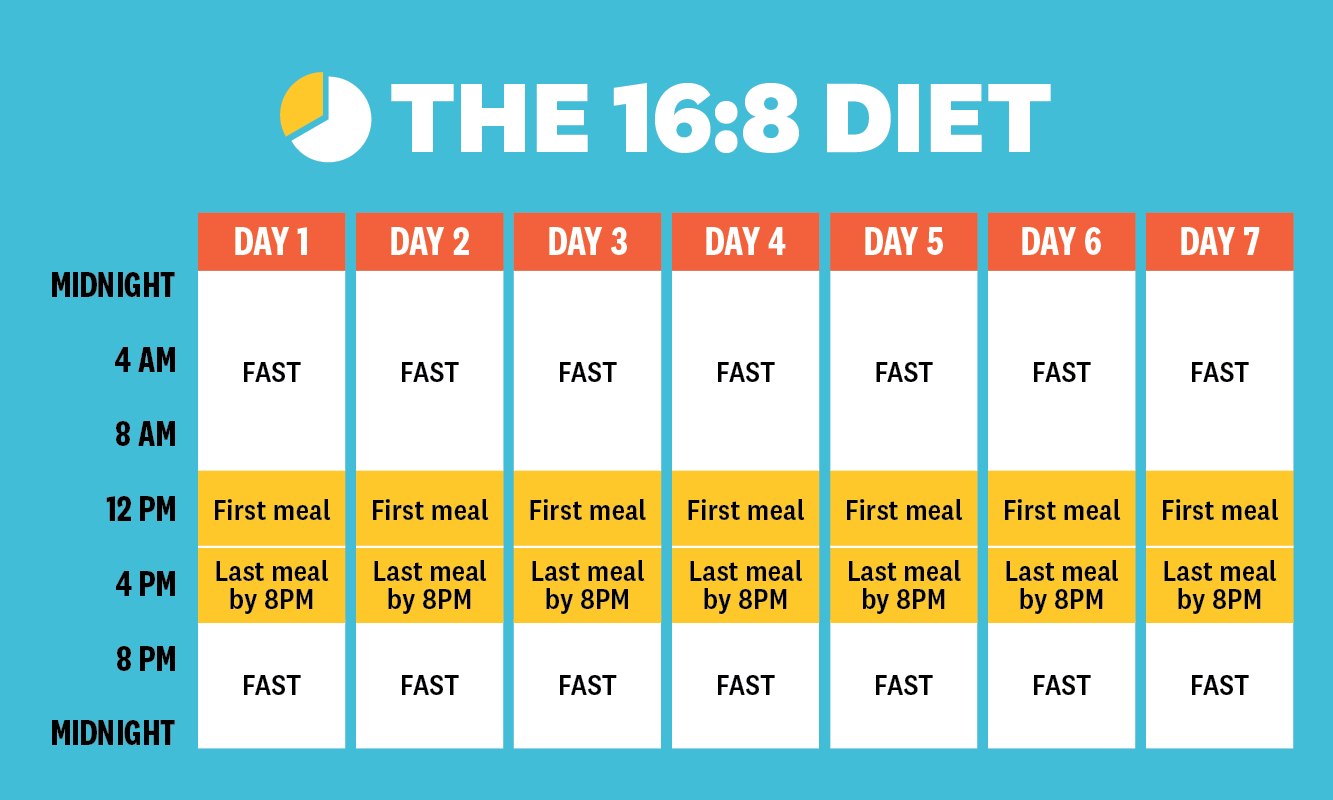
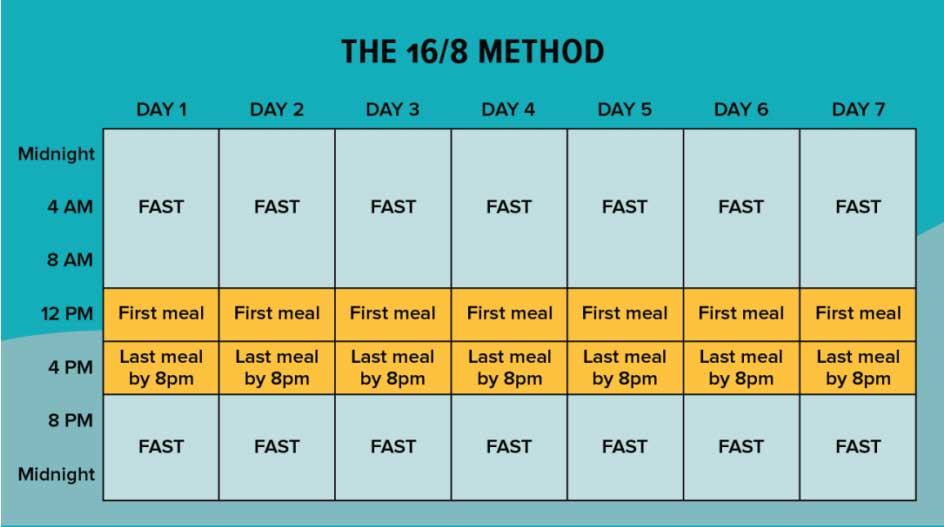
Whether you choose 20/4 IF or another fasting method, moderation, balanced nutrition, and mindful eating remain crucial to achieving lasting health benefits. The primary difference between 20/4 fasting and 16/8 fasting lies in the duration of the restricted eating window. With 20/4 fasting, you fast for 20 hours and have a 4-hour eating window, whereas 16/8 fasting involves a 16-hour fast followed by an 8-hour eating window. Staying hydrated during the fasting period of a 20/4 intermittent fasting eating schedule is vital. Proper hydration helps prevent dehydration, supports metabolic functions, and can aid in appetite control, which is especially important during fasting.
How to start intermittent fasting
However, it is important to choose a time that works best for you and your schedule. Some individuals may prefer to have their eating window earlier in the day, allowing them to consume most of their calories during the morning and afternoon. Ultimately, the best time to eat during a 20/4 fasting schedule is a matter of personal preference and what supports well-being and adherence to the fasting protocol. This method of fasting is one of the more restrictive types of intermittent fasting and can be challenging for some individuals to maintain.
What Happens to Your Body During Intermittent Fasting 20/4?
The process gradually turns on and becomes more effective as the fast extends, maximizing cellular repair and metabolic efficiency. Eating window timing significantly influences protocol effectiveness. Studies demonstrate that insulin sensitivity improves during morning hours, making an early eating window like 8am-4pm metabolically optimal. Many practitioners choose later windows such as 11am-7pm for social convenience, though this sacrifices some insulin-sensitivity benefits. Psychological impact affects individuals prone to disordered eating patterns or body image struggles who adopt fasting practices.
This can be a helpful strategy for individuals looking to shed excess weight and improve their body composition. During a 20-hour fast, your body undergoes several changes that can improve insulin sensitivity, promote weight loss, reduce inflammation, and potentially even enhance cognitive function. These effects have been supported by scientific research, making 20-hour fasting an intriguing practice to explore. When the body lacks incoming glucose, it enters a state of ketosis, utilizing stored fat for energy.