
It’s is unimeal a scam also important to invest in a good quality yoga mat and any additional equipment you may need, such as blocks or straps. Yoga, on the other hand, typically requires only a good quality yoga mat, and sometimes blocks, straps, or blankets for support and modification. Some styles of Yoga such as Hot Yoga or Yin Yoga may require additional equipment such as heat, humidity, or special lighting, but these are not essential to the practice. Many Yoga classes and styles can be practiced with just a mat and an open mind. If you’re trying to lose weight, how many calories you burn while exercising matters. The calories you burn during yoga and Pilates will depend on the type you practice.
Yoga vs. Pilates: My Real-World Fitness Breakdown
If you’re recovering from an injury, you’ll want to choose an exercise that’s low-impact and gentle on the joints. You’re likely to feel lighter and more at ease after class. Pilates releases tension in both the mind and body, and teaches control, precision, and balance. “After each class you can walk away from the moves feeling like your body has been stretched out for the day and you can walk into the rest of the day feeling aligned,” says Kingswell. “One of the critical elements of many yoga practices is combining the actual breath with the movement that you’re going through,” Pojednic says. Some yoga involves deep breathing, which calms the nervous system and reduces stress.
It combines physical exercise with mental well-being, making it a holistic practice. Pilates, developed by Joseph Pilates, focuses on core strength, muscle tone, and body alignment. It uses controlled movements to engage stabilizing muscles. Pilates, on the other hand, focuses on specific and technique-based muscular engagement and is not normally considered a traditional cardio workout. Combining Pilates and Yoga can be an excellent way to create a more well-rounded and effective workout routine. Both practices complement each other perfectly, and by combining them, you can create a workout that addresses strength, flexibility, balance, and core engagement.
Weight loss still comes down to being in a caloric deficit. But both can be incredible tools for creating that deficit while building the kind of body that looks good at any weight. Back in 2009 I was dead set on yoga being the answer to all my weight loss prayers. So I signed up for unlimited classes at this Bikram Studio in Las Vegas.
Designed to fix posture, build deep strength, and make everyday movement feel less fragile. Others lose interest halfway through a class and quietly fall in love with Pilates instead. Yoga comes in many forms, but in general, it’s considered a go-to for low-impact whole-body workouts. With there being so many different types of Pilates vs yoga there’s no doubt there’s the right fit for everyone. However, it is recommended to consult your healthcare provider first to determine if the intensity difference between yoga and Pilates is right for you. This is crucial for people who suffer from health issues such as glaucoma, diabetes, heart conditions, etc.
Combining Yoga and Pilates for Best Results
When considering Pilates vs yoga for weight loss it will depend on what your goal is. Surprisingly, even though Pilates is seen as more “active” the winner for highest calories burned per hour goes to yoga. Both are seen as effective ways to lose weight and there is an ongoing debate on whether there is that much of a difference.
Balance poses, inversions, and larger group classes can make it harder to monitor individual limitations. Thoughtful cueing, room layout, and class pacing help lower risk, but they don’t eliminate it entirely. Long hours on the mat, holding poses for demonstrations, and assisting students can start to add up, especially during busy teaching seasons or retreats. When instructors compare Pilates vs yoga as career paths, training time and ongoing education requirements are often deciding factors. Choosing between Pilates and yoga often starts as a personal practice question, but once you step into the role of instructor, the conversation takes on a professional lens. That’s why pilates vs yoga for posture usually points toward pilates.
Getting Started
Both practices cater to a wide range of flexibility levels, and modifications can be made to accommodate individual needs. In fact, one of the primary benefits of Yoga and Pilates is their ability to increase flexibility and range of motion over time. Pilates is often preferred in rehab settings because movements are controlled and repeatable.
However, some forms of yoga, such as Power yoga or Hot yoga, can be more physically demanding and may help build muscle more effectively. Pilates is excellent for building long, lean muscles, particularly in the core, arms, and legs. The slow, controlled movements involved in Pilates help to engage the smaller, stabilizer muscles, which can help improve overall muscle tone and strength. Additionally, Pilates often incorporates resistance training, which can help build muscle mass over time.
Which Is Better for Core Strength?
“In Pilates you will engage your core on the exhale and yoga will practice the opposite,” Kingswell says. A small 2017 study found that practicing yoga every day for a month reduced participants’ blood pressure, a key indicator of heart health. Faster-paced versions of yoga, like vinyasa, elevate your heart rate more than slower, restorative types of yoga or Pilates. “Pilates doesn’t tend to have that very vigorous type of format,” Pojednic says. As for the heart health, advanced levels of both workouts can have the same effect as, say, walking.
Yoga: A Holistic Approach
Just listen to your body and space the sessions for recovery. Reformer Pilates uses machines, but a mat is enough for home practice. 🔮Pilates is great for those who want a fast-paced, core-targeted workout.
RDX D5 Iris 6mm PVC Yoga Mat Timber Blend
- Whether you choose yoga or Pilates, you’re sure to feel more relaxed, empowered, and connected to your body and mind.
- The best thing is that this practice may prevent weight gain in middle aged normal weight adults (5, 6).
- However, they can become perfect additional steps in your weight-loss journey.
- At Movement Dynamic, we specialize in expert-led Pilates sessions, led by Katie N. Summers, to help you achieve your fitness goals.
- Yoga’s emphasis on mindfulness, breathing, and meditation can create a stronger mind-body connection, which can be beneficial for weight loss.
- Additionally, be sure to listen to your body and honor its signals, especially if you’re new to Yoga or Pilates or have underlying health concerns.
Pilates can be done on a mat or on specialized equipment. The equipment is unique as it only uses springs, levers, and your own body weight to provide resistance. However, it’s essential to remember that the focus of both yoga and Pilates lies in the movements, breathing, and mental connection, rather than the equipment. Moreover, combining yoga and Pilates can help prevent plateaus and reduce the risk of overuse injuries, as it allows you to alternate between low-impact and high-intensity exercises. This approach can also keep your workouts fresh and engaging, making it more likely that you’ll stick to your fitness routine and achieve your weight loss goals. By reducing stress, enhancing flexibility, and toning muscles, it creates an environment conducive to healthy weight management.
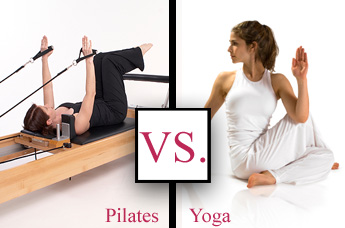
Which Builds Better Flexibility?
Although there is an argument about which one is better than the other, there is no way you can ignore the similarities they both hold. In most cases, both of them are brought up together because they have more in common than people would like to admit. For instance, both of these exercises are low-impact exercises (1).
The Key Principles of Integrative Yoga: Mind, Body, and Energy Alignment
These can help to provide inspiration for designing a meaningful and fulfilling life outside the context of the yoga class. A certified Pilates instructor, health coach, and creator of JG Pilates. I help women build strength, feel energized, and simplify weight loss with meal plans. For about six weeks, I was doing Bikram Yoga religiously. 26 postures and 2 breathing exercises performed in a heated room (around 40.6°C or 105°F with 40% humidity). I was getting more flexible, sure, and my stress levels were definitely better, but I wasn’t seeing the fat loss I desperately wanted.

Fitness Apps and Devices
In fact, many people prefer to practice at home because it’s more convenient, and they can practice at their own pace and schedule. However, practicing at a studio or with a live instructor can provide additional benefits such as personalized feedback, hands-on adjustments, and the energy and motivation of a group class. One of the most important factors to consider when choosing an exercise for weight loss is injury rehabilitation.